



ATM debit, credit card fraud: Ever heard of OTP theft? Beware of this to save your hard-earned money
To avoid any further OTP theft, a mobile phone user must download anti-malware software on their smartphone, android phone and on their laptop or desktop, whichever they are using.


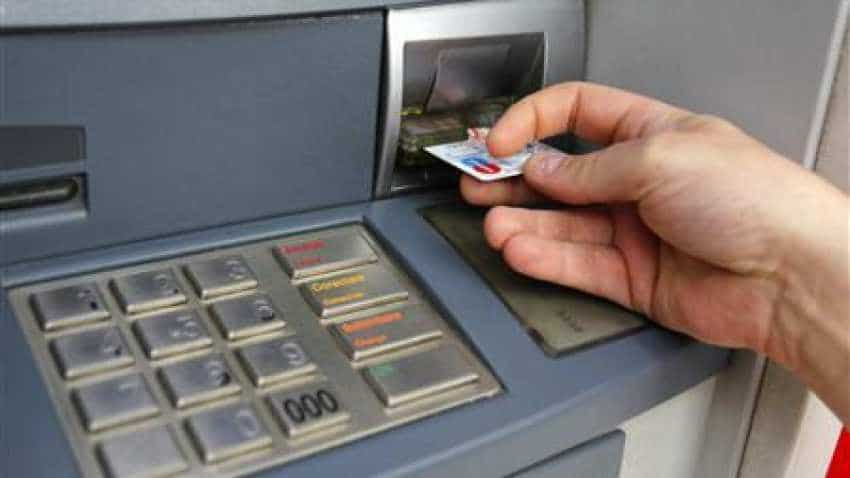
ATM, debit, credit card fraud: A new kind of debit and credit card fraud is taking place these days. Ironically, not even a single case has been cracked by the cyber police. When talked about the new kind of theft called 'One Time Password (OTP) Theft' experts say lack of awareness is the major reason for such frauds. They said fraudsters are using a software called 'malware' that helps them hack SMS of bank account holders using debit and credit cards.
When asked on the emerging OTP theft Pavan Duggal, a New Delhi-based cybercrime expert, told Zee Business online, "OTP theft is taking place through malware attack that helps fraudsters to hack the SMS of
He added that people should use anti-malware software which can be easily found by doing a Google search. Duggal said that many of them are available without any charges.
"To avoid any further OTP theft, a mobile phone user must download anti-malware software on their smartphone,
How fraudsters carry out OTP theft?
In OTP theft cases, it has been found that fraudsters posing as a banker. They call the account holder in the name of
Get Latest Business News, Stock Market Updates and Videos; Check your tax outgo through Income Tax Calculator and save money through our Personal Finance coverage. Check Business Breaking News Live on Zee Business Twitter and Facebook. Subscribe on YouTube.
RECOMMENDED STORIES






03:35 PM IST
 Bank ATM users alert! New modus operandi comes to light; how to keep your money safe
 ATM user? Beware! Do this or you could fall prey to debit card skimming
 Have debit card for bank ATM? Alert! Fraudsters can steal your money; HDFC Bank says don't do this
 Money removed from debit, credit card? How chargeback request can help you get refund
 SBI account holder? Here's a warning from your bank - Do this to keep money safe